
Graphic Design Trends 2026 — 2027: The Hook + Anchor for Modern Advertising Agencies
Mastering the Visual Shift: Why Your Brand Needs Neo-Minimalism Now
As we move through 2026 and into 2027, the digital landscape is transforming profoundly. For advertising agencies and marketing firms, staying relevant means more than just keeping up with technology and AI; it requires a fundamental shift in visual storytelling.
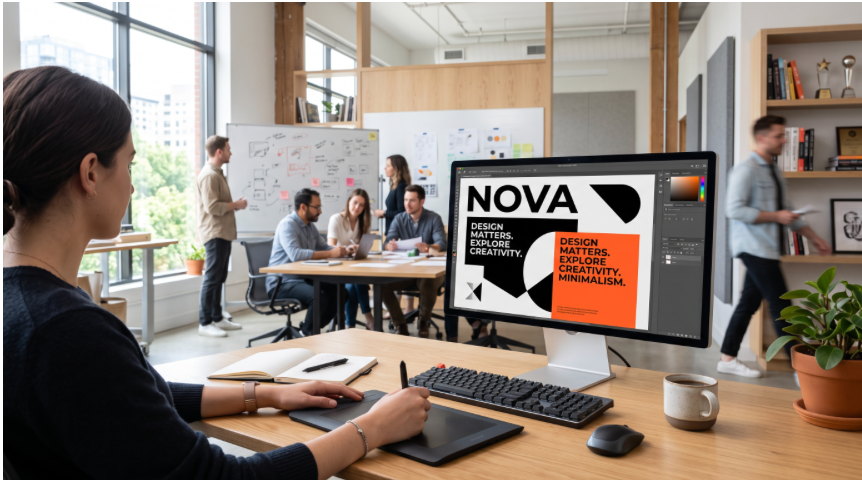
Neo-minimalism has emerged as the defining aesthetic of the year, blending the clean structures of traditional minimalism with bold, high-energy focal points that demand attention in a crowded social feed.
Key Questions Answered:
- What is Neo-Minimalism? A 2026 — 2027 design trend combining simplicity with bold typography and vibrant accent colors.
- Why is motion branding important? It captures attention faster than static images, increasing engagement by up to 94%.
- How does AI impact design in 2026? AI serves as a prototype engine, allowing human designers to finesse and perfect complex concepts.
📌 Key Takeaways (TL;DR)
- Bold Minimalism: Move beyond "less is more" to "less is bold." Use striking typography and single-hue dominance to build trust.
- Kinetic Typography: Incorporate motion into your brand identity to stop the endless scroll on platforms like TikTok and Reels.
- Tactile Digitality: Use grain and paper-style overlays to make digital designs feel more human and authentic.
The Rise of Neo-Minimalism in Advertising
For years, minimalism ruled the design world. However, 2026 has ushered in a wave of "statement simplicity." Neo-minimalism is not about removing elements for the sake of emptiness; it’s about intentional focus. By using oversized fonts and vibrant gradients, brands can communicate clarity and confidence simultaneously. According to recent industry insights, visual content with a strong focal point receives significantly higher engagement than cluttered compositions.
Kinetic Typography and the Power of Motion
Static visuals are no longer enough to sustain interest. In 2026, motion branding is integrated directly into the brand identity. Kinetic typography—text that moves rhythmically to sound or highlights emotion—works especially well in short-form video ads. This movement grabs attention instantly and holds it longer, which is vital for advertising agencies looking to maximize ROI for their clients. Motion isn't just a feature; it's a storytelling tool.
Humanizing the Digital Experience with Texture
As AI-generated content becomes more prevalent, demand is growing for the "imperfect human." Designers are now adding subtle textures like grain, watercolor effects, and organic flow to their work. This trend, often called "tactile digitality," helps local businesses build relationships by feeling less like a rigid corporate entity and more like a trustworthy partner. It draws inspiration from Mid-Century Modern and Art Nouveau styles to provide a sensuous, tactile materiality to web layouts and brand identities.
Tailored Design Solutions for Every Scale
Whether you are a local startup or a growing enterprise, these trends must be applied strategically:
- Small Budgets: Focus on typography updates. A font change can modernize your brand overnight without a full rebuild.
- Mid-Scale: Update social media templates to include motion loops and kinetic text.
- Enterprise: Develop full "calm" and "bold" modes for your branding to ensure flexibility across different immersive digital environments.
Why Choose SmartArt Branding for Your 2026 Strategy?
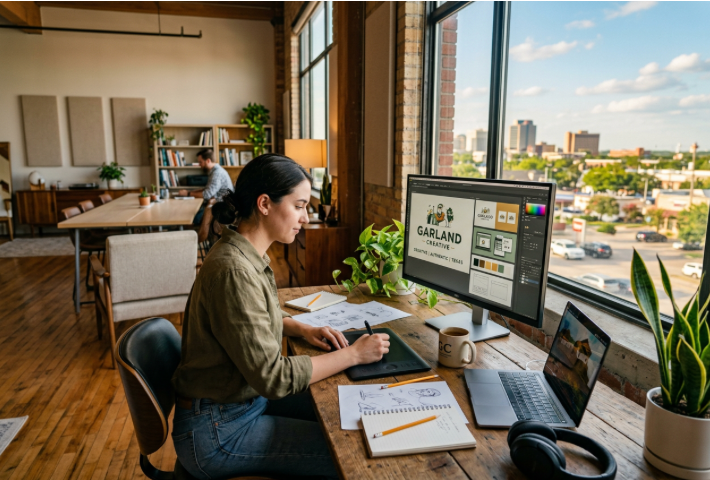
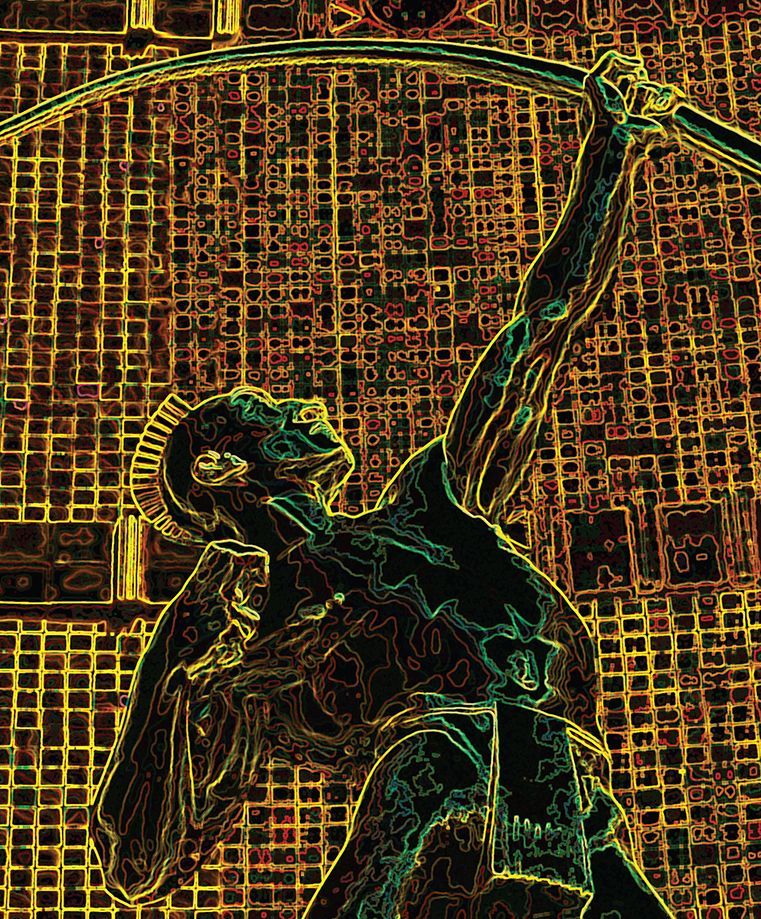
At SmartArt Branding, we understand that design is not stagnant. With over 25 years of experience and more than 500 successful projects, we pride ourselves on leading visual culture. From our award-winning work on the Hall of State building to our innovative spoof ads for Garland Water Utilities, we specialize in transforming complex information into clear, human-centered communication. Our team is ready to help you elevate your brand and achieve your 2026 marketing goals with design that looks modern and performs even better.
Frequently Asked Questions
Q: Is minimalism dead in 2026?
A: Not at all. It has evolved into Neo-Minimalism, which uses the same clean principles but adds bold, high-contrast elements to stand out.
Q: How do I start using motion branding?
A: Start small by animating your logo or using short video loops as backgrounds on your high-traffic landing pages.
Q: Should I use AI for my brand's graphics?
A: AI is a powerful tool for rapid prototyping and generating ideas, but human craft is still essential to perfect the final design and ensure it aligns with your brand values.
Conclusion
The graphic design trends of 2026 represent a shift toward adaptability and emotional connection. By embracing neo-minimalism, kinetic typography, and tactile textures, brands can cut through the noise and foster genuine empathy with their audience. SmartArt Branding is here to guide you through this evolution, ensuring your visual narrative matches your message's impact.
SmartArt Branding's Smart Blog